
You already own a cold plunge. It is in your bathroom, it holds about half what a dedicated tub holds, and it costs nothing to start using.
A bathtub is genuinely the right first move for most people. It answers the only question that matters, which is whether you will still be doing this in a month, and it does so for the price of a bag of ice.
It also has two hard limits that eventually push people to a dedicated tub. This page covers the numbers, the limits, and whether a chiller is worth fitting.
The numbers
A standard bathtub holds 40 to 60 gallons filled to the overflow. In practice you fill to shoulder depth while seated, so the usable volume is often 35 to 45 gallons.
That is roughly half a dedicated 100 gallon tub, which means roughly half the ice: about 10 to 20 pounds to bring tap water down to the low 50s.
Two things move that figure:
- Your tap temperature. Winter cold water might arrive in the 50s already and need almost nothing. Summer water can be in the 70s and need the full amount.
- Room temperature. A warm bathroom pulls the cold back out faster than a cool one.
If you are in winter with cold mains, you may find you can reach the low 60s with no ice at all, which is enough to start with.
How to actually do it
- Fill with the coldest water your tap gives, to the depth that will cover your shoulders when seated. No deeper. Every extra inch is water you are paying to cool.
- Add ice and stir. Stirring matters more than people expect. Unstirred, the cold sits in a layer and your thermometer lies to you.
- Check with a thermometer. A cheap floating one removes all guesswork and stops you either wasting ice or going colder than you intended.
- Get in slowly and exhale as you go. Do not lower your head. The gasp reflex is the real danger and it is worst in the first ten seconds.
- Two to five minutes at 50 to 59 degrees. Start at 30 to 60 seconds if you are new.
- Drain and dry the tub afterwards if anyone else uses the bathroom.
The two real limits
Length
This is the one that eventually pushes people out.
Most bathtubs are 55 to 60 inches long with sloped ends, so the flat seating area is shorter than the tub. Sitting upright, an average adult finds their knees out of the water or their shoulders out, and often both.
You can work around it by lying back and keeping your knees up, but it is a compromise you notice every session.
You cannot leave it set up
A dedicated tub sits there full and covered. A bathtub has another job, so every session starts with filling and ends with draining.
That is perhaps ten minutes of friction per session. It sounds trivial and it is the single most common reason people stop cold plunging. If you find yourself skipping sessions because of the faff rather than the cold, that is the signal to buy a tub.
Should you fit a chiller?
Usually not, and the reason is not cost.
A chiller earns its money by holding water cold between sessions so you never re-ice. A bathroom is warm and a bathtub is uninsulated, so the water warms quickly and you cannot leave it standing anyway for hygiene reasons.
That said, there are two cases where it makes sense:
- A spare or basement bathroom you can leave filled, where the tub is not needed for anything else.
- A garden or garage tub where a small chiller with hoses over the rim is exactly the right setup.
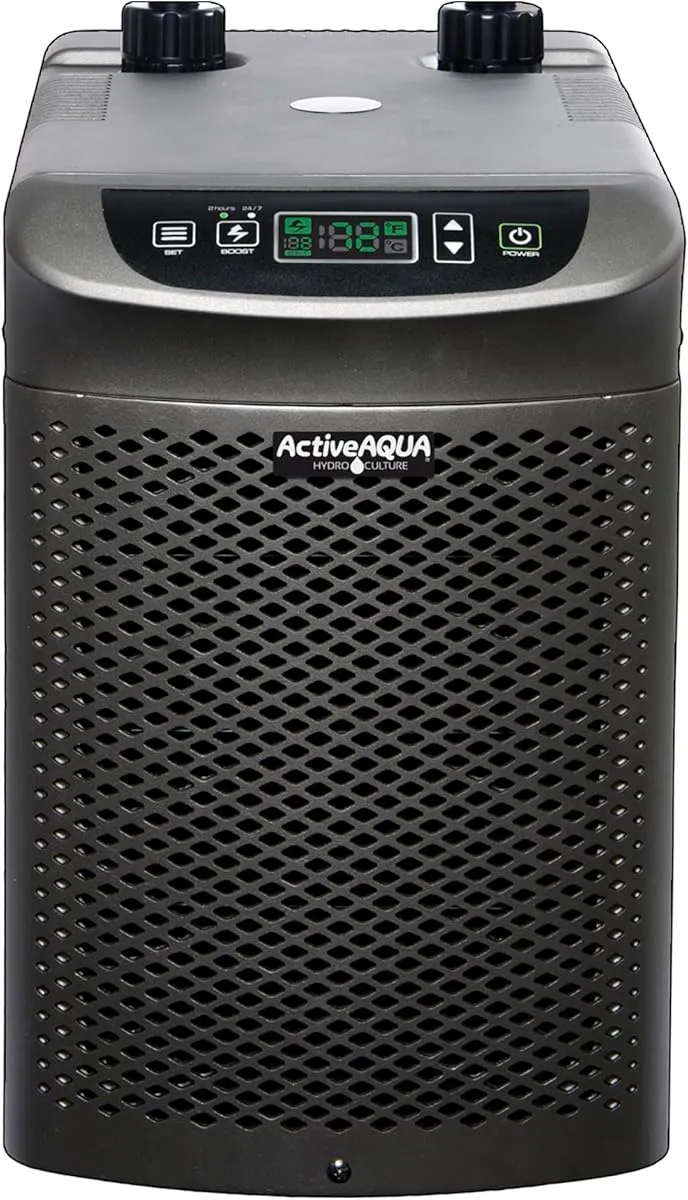
If either applies, the sizing is easy: a bathtub’s 40 to 60 gallons is comfortably inside a 1/10 to 1/4 HP unit’s rating, which is the cheapest end of the chiller market. Our bathtub chiller guide covers the units that suit that volume.
Making a bathtub better, cheaply
Three things that help without buying a tub.
Freeze your own ice in large blocks. Reusable containers or bottles of frozen water melt much slower than crushed ice, so the temperature holds through the session. Freezer space is the only cost.
Fill the night before in winter. Mains water left standing overnight in a cool bathroom often lands in the low 60s by itself, which cuts your ice requirement substantially.
Do not overfill. Shoulder depth seated, no more. This is the free saving everyone ignores.
Safety in a bathtub specifically
Two risks that are worse in a bathroom than in a garden tub.
Hard surfaces. Wet tile, a hard rim and a slippery base. Put a mat down, both in the tub and beside it.
Being alone behind a closed door. Cold water immersion triggers an involuntary gasp and raises heart rate and blood pressure sharply. Do not lock the door, and tell someone you are doing it until you are confident.
Anyone with a heart condition, high blood pressure, or who is pregnant should talk to a doctor before starting. We are not doctors and this is not medical advice.
When to upgrade
You will know. It is not about performance, because a bathtub gets just as cold.
It is when the ten minutes of filling and draining starts costing you sessions, or when being half submerged stops feeling like a real plunge. At that point you have also learned what you actually need: how long a tub, whether you want a chiller, and where it will live.
Those answers are worth more than any spec sheet, and a month in a bathtub is the cheapest way to get them. Our tub comparison sorts the options by who they suit.
Common questions
How much ice do I need for a bathtub cold plunge?
Roughly 10 to 20 pounds for a standard bathtub, which is about half what a 100 gallon dedicated tub needs. A standard tub holds 40 to 60 gallons and you only fill it to shoulder depth, so the usable volume is smaller than people assume.
Can you fit a chiller to a bathtub?
Yes, with a portable unit and hoses over the rim, and it works. What it does not do is let you leave cold water sitting there, because the bathroom is warm and the tub is uninsulated. A chiller suits a tub you keep filled, which a bathroom rarely is.
Is a bathtub cold enough for a real cold plunge?
Yes. Water is water. With enough ice a bathtub reaches the same 50 to 59 degrees as any dedicated tub. The limits are comfort and convenience, not temperature.
What is the main problem with using a bathtub?
Length. Most bathtubs are too short to get your shoulders and knees under at the same time, so you end up half submerged. That, and the fact that you cannot leave it set up.
Will cold water damage my bathtub?
No. Cold water is harmless to acrylic, enamel and steel tubs. Ice can chip enamel if you drop a large block in from height, so lower it rather than tipping the bag.
When should I move to a dedicated tub?
When the filling and draining starts making you skip sessions, or when being half submerged stops being acceptable. Those are the two reasons people upgrade, and both are about friction rather than performance.

Written by
Jed Callahan
Editor, Cold Plunge Daddy
I have spent more nights than I want to admit doing math on ice bath listings to find out whether the gallon number is a lie. It usually is. I have been in some of this gear and not all of it, and I always tell you which. I am not a doctor, and I am not going to pretend cold water fixed my life.
- Catching bad spec sheets
- Chiller sizing and power draw
- Warranty and return terms
- What a tub costs to run